Whether you’re preparing to take your first Advanced Cardiac Life Support (ACLS) course or renewing an expiring certification, knowing what to expect can help ease any anxiety and ensure you’re fully prepared. ACLS is a more advanced level of CPR training tailored for healthcare professionals who are involved in managing cardiovascular emergencies. It builds on Basic Life Support (BLS) principles and introduces new skills such as ECG interpretation, advanced airway management, and pharmacology.
At Community First Responder LLC in St. Clair Shores, we provide American Heart Association-approved ACLS certification courses designed for nurses, paramedics, and physicians working in critical care and emergency settings. This guide breaks down what you can expect before, during, and after your ACLS training — including course structure, topics, testing, and certification.
Who Should Take ACLS?
ACLS is intended for licensed healthcare professionals who are responsible for managing or responding to adult cardiac and respiratory emergencies. This includes:
- Nurses (RN, LPN) working in ER, ICU, or telemetry units
- Paramedics and advanced EMTs
- Physicians, physician assistants, and nurse practitioners
- Respiratory therapists
- Anesthesiologists and surgical staff
- Medical students entering clinical rotations
- Healthcare professionals in urgent care and outpatient surgery centers
If you’re involved in direct patient care during emergencies or critical events, ACLS certification is likely required by your employer or licensing board.
What Is Covered in ACLS Training?
ACLS builds upon the foundation of BLS and adds more complex knowledge, critical thinking, and teamwork skills related to advanced resuscitation. Topics covered in ACLS include:
- Recognizing and managing cardiac arrest
- Immediate post-cardiac arrest care
- Airway management techniques and tools
- Effective use of bag-valve mask and advanced airways
- ECG rhythm recognition (bradycardia, tachycardia, asystole, etc.)
- Pharmacology for emergency cardiovascular care
- Using defibrillators and transcutaneous pacing
- Stroke recognition and early intervention
- Effective team dynamics and communication during a code
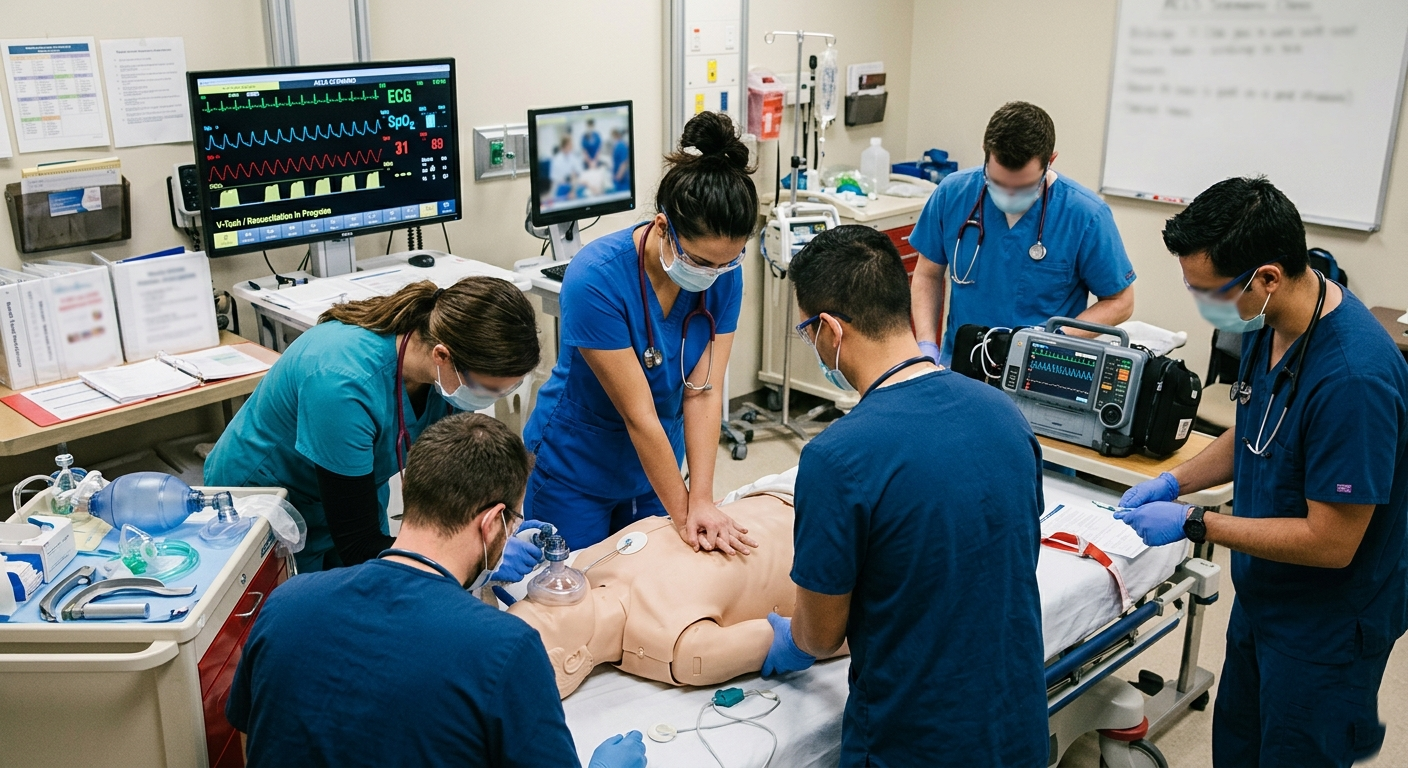
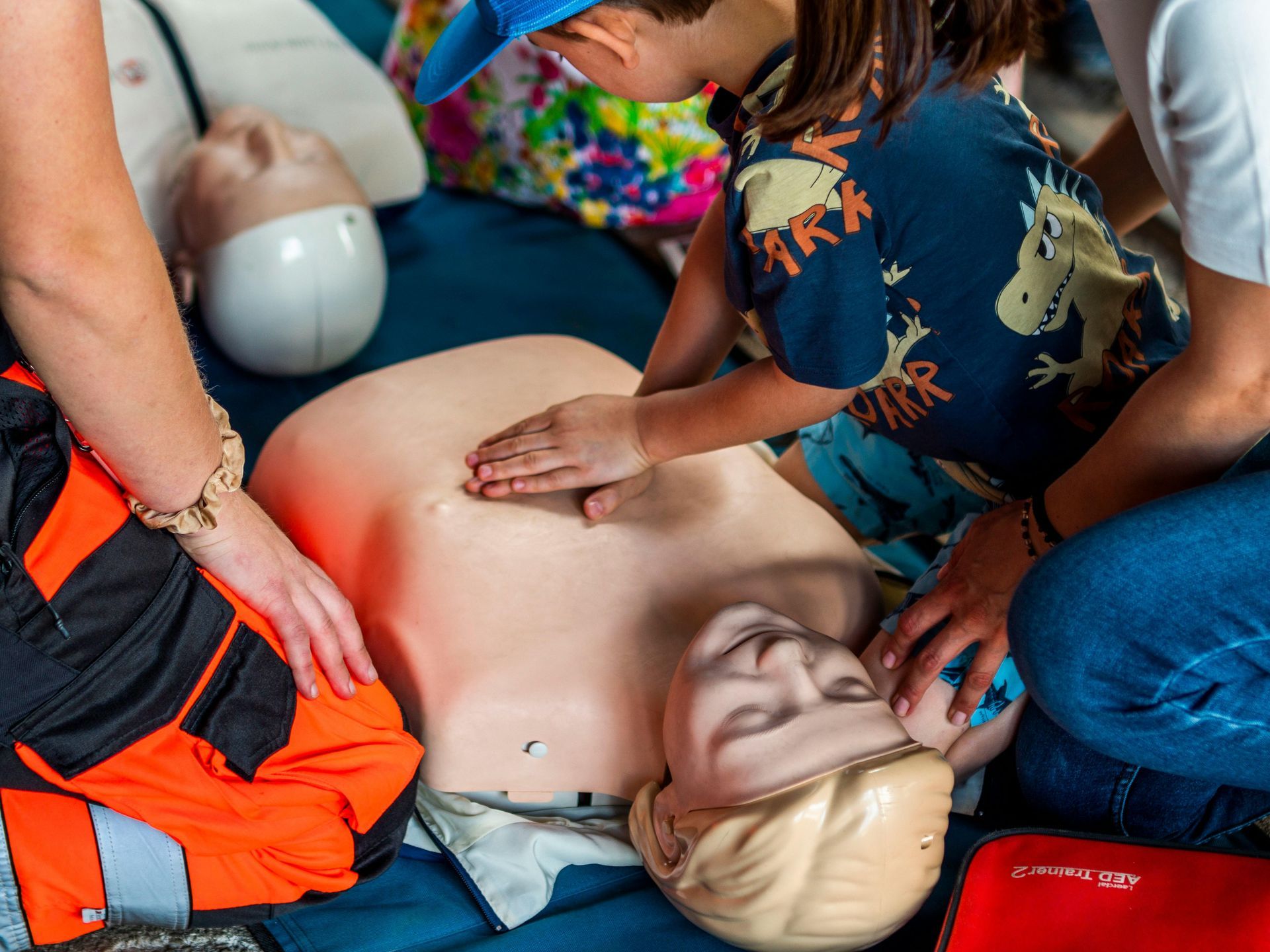
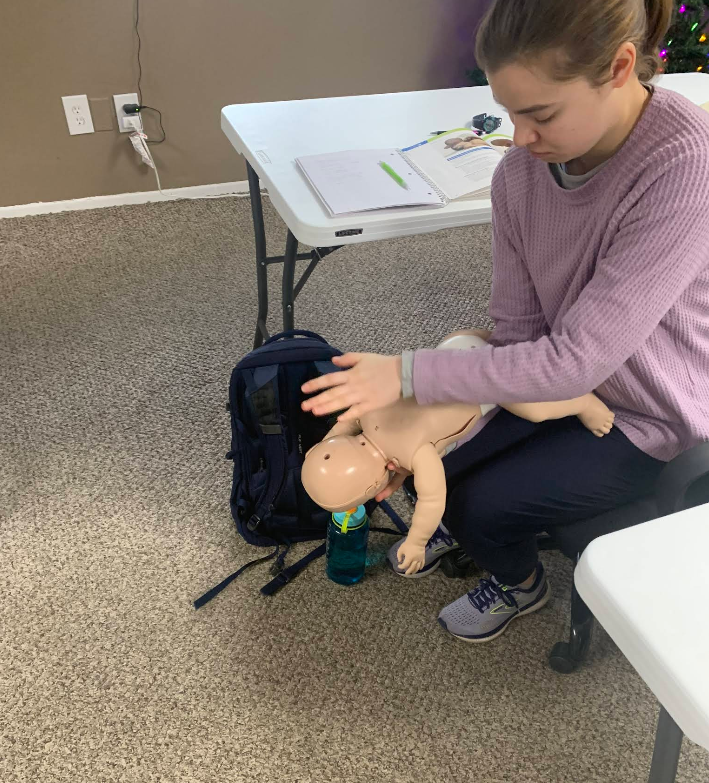
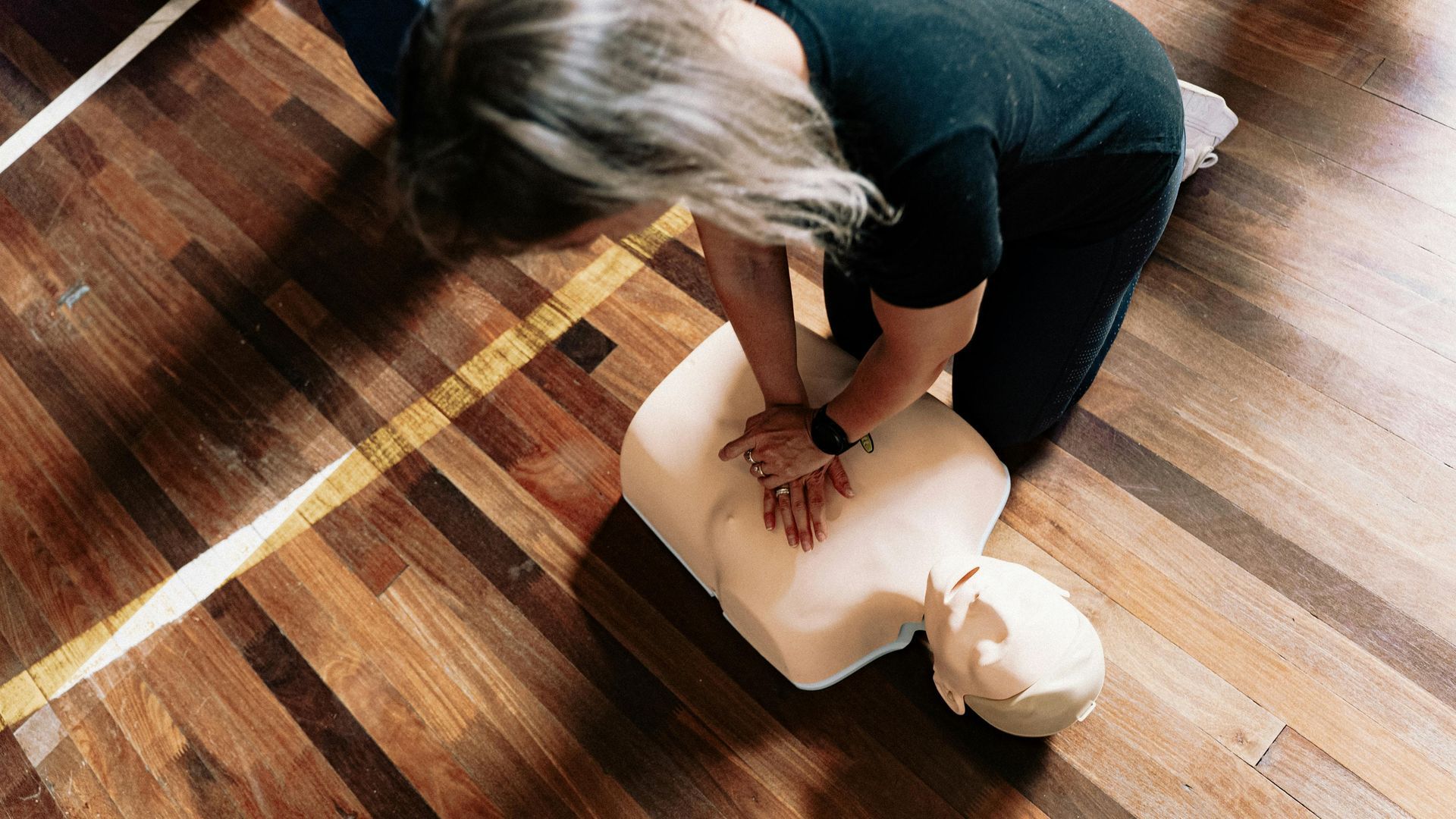
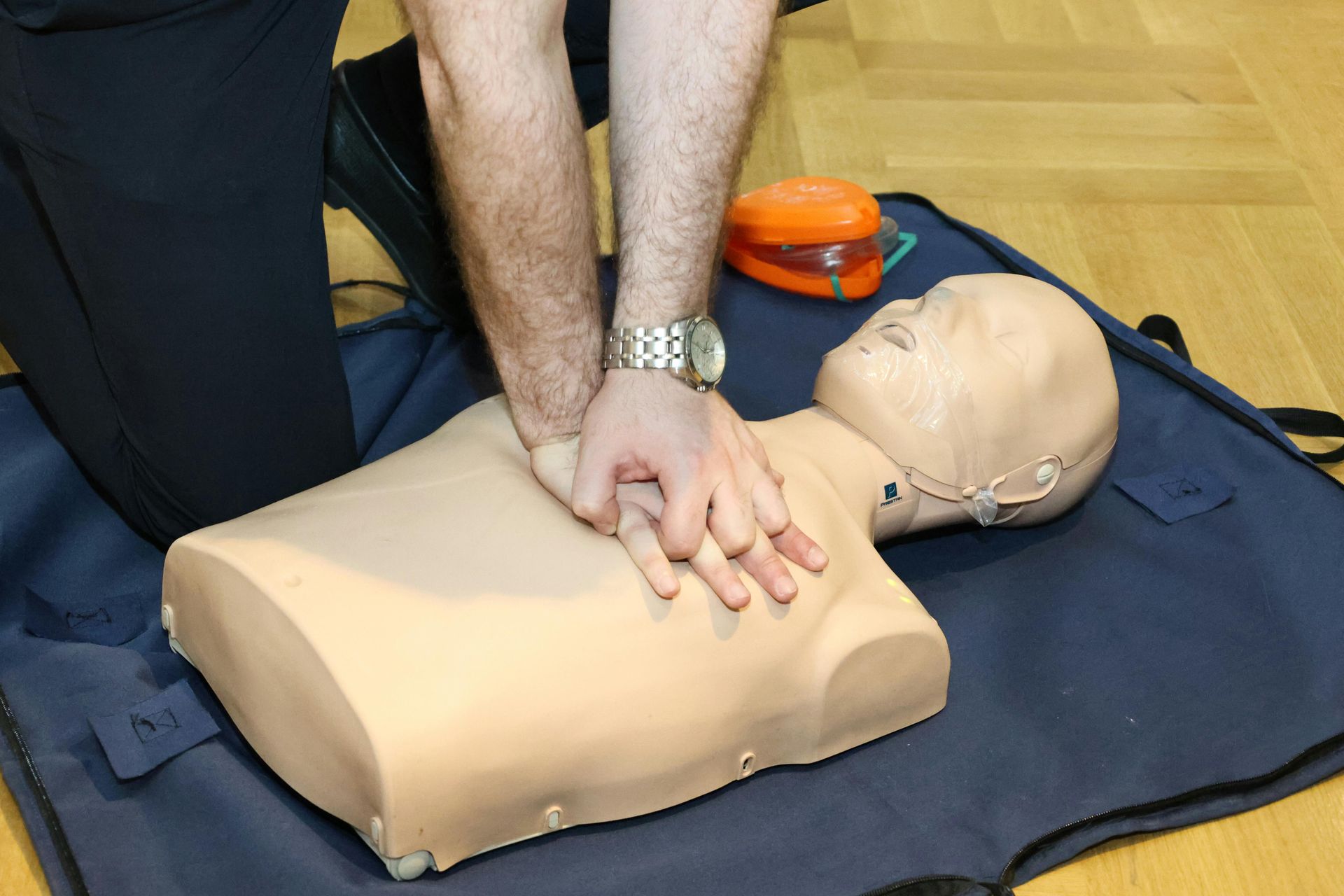
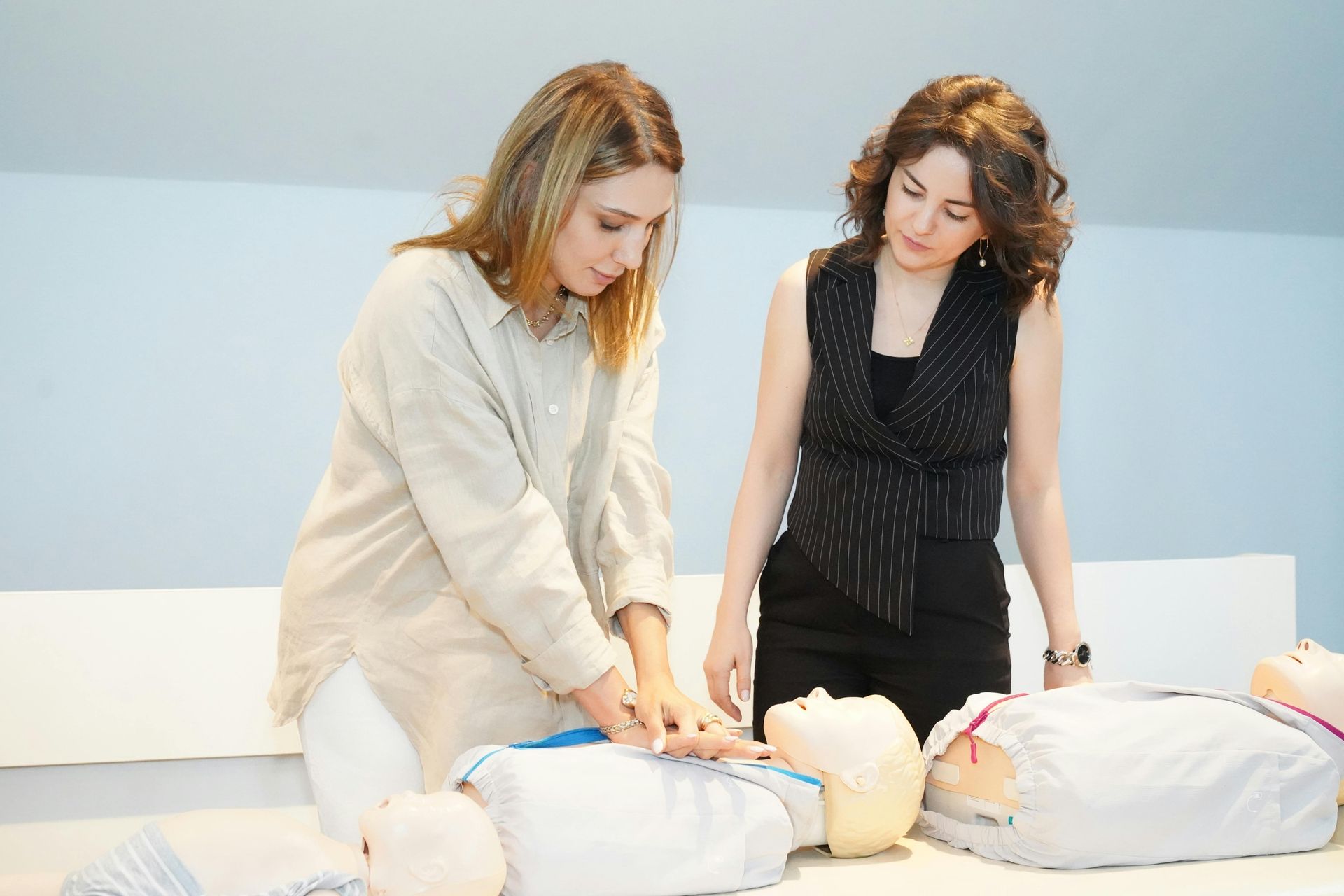
The class is hands-on, highly interactive, and requires active participation in simulated clinical scenarios.
Before the Class: How to Prepare
While ACLS is designed to be a review and skills application course, some preparation is required to be successful, especially if this is your first time taking the course or if it’s been more than two years since your last certification.
Here’s how to prepare:
- Review your BLS skills (CPR, AED use, rescue breathing)
- Brush up on ECG rhythms and interpretation
- Familiarize yourself with ACLS drugs (epinephrine, amiodarone, atropine, etc.)
- Read the American Heart Association ACLS Provider Manual
- Complete the pre-course self-assessment (available through the AHA website)
We recommend spending at least a few hours reviewing these materials in the days leading up to class. The more familiar you are with the content, the more confident you’ll feel during practice scenarios and testing.
What to Bring to Your ACLS Class
When you arrive for your ACLS class at Community First Responder, make sure to bring:
- A government-issued photo ID
- Your BLS certification card (if required by employer)
- ACLS Provider Manual or eBook (if you have one)
- Pre-course assessment completion certificate
- Pen and notebook for taking notes
We provide all training equipment including manikins, AED trainers, medications, ECG simulators, and airway management tools.
Class Format and Schedule
ACLS certification is typically offered in two formats:
- Full Certification Course (for first-timers or expired cards):
- Duration: 6 to 8 hours
- Includes instruction, skills practice, and written testing
- Scheduled on select weekdays and weekends
- ACLS Renewal Course (for those with unexpired certification):
- Duration: 4 to 6 hours
- Faster pace, focuses on updates and skill refreshers
We also offer HeartCode ACLS blended learning, where students complete the online portion at their own pace and then attend a shorter in-person skills session.
Our classes are held at:
Community First Responder LLC
22777 Harper Avenue, STE 206
St. Clair Shores, MI 48080
We serve students from throughout Metro Detroit, including Roseville, Eastpointe, Warren, Clinton Township, and Detroit.
What Happens During the Class
An ACLS certification class includes a mix of lectures, videos, skills stations, and realistic scenarios. Here’s what a typical day looks like:
- Welcome and introductions
- Review of BLS for healthcare providers
- Airway management techniques and practice
- ECG rhythm recognition activities
- Medication review and administration simulations
- Megacode scenario practice (working as a team during cardiac arrest)
- Skills testing for CPR, AED, and airway management
- Written exam (multiple choice)
The class is designed to be engaging, supportive, and practical. Our instructors provide guidance throughout, and most students pass without issue as long as they are prepared and participate actively.
Testing and Certification
To receive your ACLS certification, you must:
- Complete all instructional modules and skills stations
- Successfully complete the written exam (generally 80% or higher)
- Demonstrate mastery of ACLS skills during team scenarios
Once you pass, you’ll receive your official American Heart Association ACLS Provider eCard valid for two years. Cards are typically emailed the same day.
Tips for Success
Even experienced healthcare professionals can feel nervous about ACLS, especially the written exam and megacode testing. Here are some tips to help you succeed:
- Practice ECG rhythms in advance using free online tools
- Create flashcards for common ACLS medications and dosages
- Participate actively in group scenarios — don’t be afraid to lead
- Ask questions during the course if you’re unsure about protocols
- Get a good night’s sleep before class
Remember, this training is about saving lives, not trick questions. Our instructors are here to support your learning, not intimidate you.
FAQs About ACLS Certification
Is BLS required before ACLS?
Yes. Most employers and training centers require current BLS certification as a prerequisite for ACLS.
What’s the difference between ACLS and BLS?
BLS is basic CPR and AED use. ACLS adds advanced skills like airway management, rhythm interpretation, drug therapy, and team leadership.
How often does ACLS need to be renewed?
Every two years. We recommend renewing before your expiration date to avoid having to retake the full course.
Do I need to be a nurse or doctor to take ACLS?
No. Anyone in a clinical or emergency response role can take ACLS, including EMTs, medical students, and respiratory therapists.
Do you offer ACLS renewal?
Yes. We offer ACLS renewal classes as well as blended HeartCode options for faster recertification.
Register for Your ACLS Class in Metro Detroit
Whether you’re getting certified for the first time or renewing, Community First Responder LLC makes the process clear, supportive, and efficient. With over 20 years of training experience, we help healthcare professionals across Metro Detroit build the confidence and skills they need to respond in critical situations.
Ready to register?
Call us at (586) 359-6494
or sign up online at
https://www.tricountymedicaltraining.com/schedule
Classes are available weekly, including weekends and evenings.